
Story-Based Product Demos: Turning Attention into Emotion and Sales
People don’t remember features—they remember stories. Story-based product demos help brands emotionally connect with visitors, simplify complex offerings, and turn casual stall visitors into serious buyers.
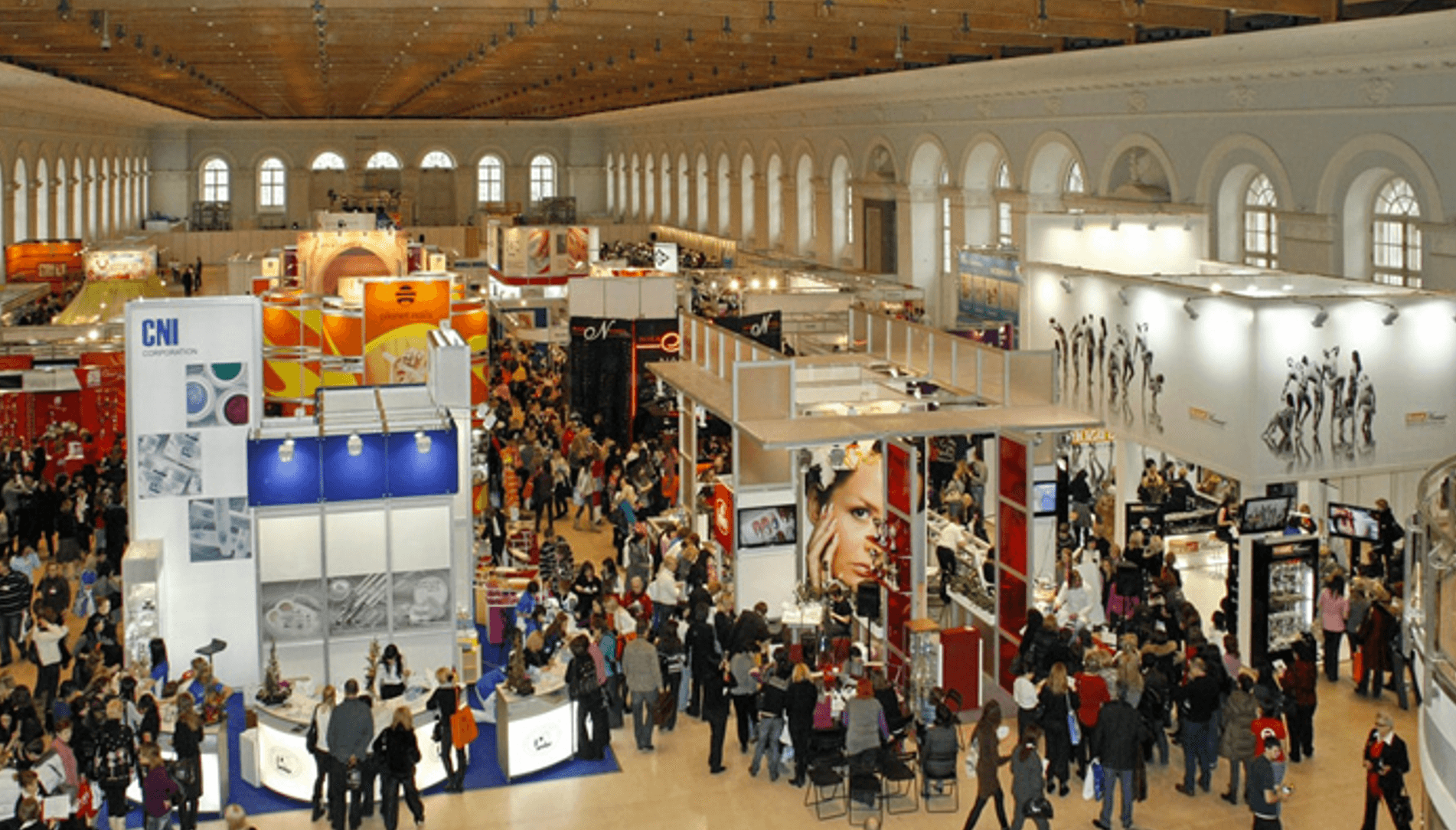
At exhibitions, visitors are surrounded by noise—bright lights, loud pitches, and countless product demonstrations. In this chaos, traditional feature-heavy demos often fail to leave an impact. What truly cuts through the clutter is storytelling. A story-based product demo doesn’t just explain what your product does; it shows why it matters.
At Evencias Buzz, we’ve seen that brands using stories in their demos don’t just attract visitors—they hold attention and build trust.
A story-based demo begins with a problem the audience relates to. Instead of starting with specifications or technical details, it starts with a real-life situation. When visitors recognize their own challenges in your story, they naturally lean in and listen. This creates instant emotional engagement and makes your product relevant within seconds.
Once the problem is established, the demo smoothly transitions into the journey. This is where you introduce your product as part of the solution—not as a sales pitch, but as a guide. Showing how your product fits naturally into the user’s workflow makes it easier for visitors to imagine themselves using it. At this stage, clarity matters more than complexity.
The next phase of the story focuses on transformation. Instead of listing features, you highlight outcomes. Visitors want to know how their life or business will improve after using your product. When the demo visually or practically shows the “before and after” impact, it builds credibility and excitement at the same time.
A strong story-based demo also includes human moments. Sharing a short client experience or success story makes your product feel tested and trusted. Real examples work far better than generic claims, especially in crowded exhibition environments where trust must be built quickly.
Finally, the story ends with a clear next step. Since the visitor is already emotionally invested, the transition to action feels natural. Whether it’s booking a demo, scanning a QR code, or scheduling a meeting, the call-to-action becomes a continuation of the story—not a hard sell.
Story-based demos work because they respect how people make decisions. Humans don’t buy with logic alone; they buy with emotion and justify with logic later. By designing your product demos as stories, you turn passive viewers into active participants.
At Evencias Buzz, we help brands design demo experiences that don’t just explain products—but create memories.
Final Thoughts
If your product demo sounds like a presentation, it will be forgotten.If it feels like a story, it will be remembered.
And remembered brands are the ones that convert.
Written by
Evenciasbuzz Team